
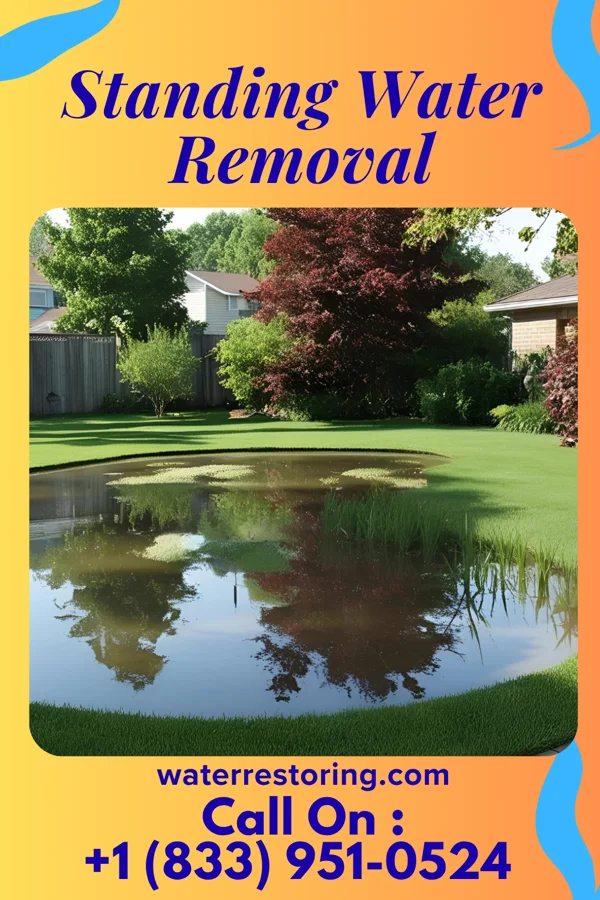
Why Garden City Sees Standing Water Often
The pattern in Garden City is consistent. In Garden City, South Carolina, primary water damage often stems from heavy rainfall and flooding due to its low-lying geography near the coast. Additionally, nearby areas like Surfside Beach and Murrells Inlet can contribute to water intrusion through storm surges and high tides. drives most of the emergency restoration calls we get. A close second is Secondary causes include plumbing leaks from aging infrastructure, septic system failures, and groundwater seepage into basements of older homes. These issues are exacerbated by the area's proximity to the Atlantic Ocean and frequent tropical storm activity..
Garden City experiences a humid subtropical climate with frequent thunderstorms and heavy downpours, increasing the risk of water damage. The region's vulnerability to hurricanes and coastal flooding further compounds these risks, especially during the summer months.
Garden City experiences a humid subtropical climate with frequent thunderstorms and heavy downpours, increasing the risk of water damage. The region's vulnerability to hurricanes and coastal flooding further compounds these risks, especially during the summer months. The dominant local driver is In Garden City, South Carolina, primary water damage often stems from heavy rainfall and flooding due to its low-lying geography near the coast. Additionally, nearby areas like Surfside Beach and Murrells Inlet can contribute to water intrusion through storm surges and high tides., with Secondary causes include plumbing leaks from aging infrastructure, septic system failures, and groundwater seepage into basements of older homes. These issues are exacerbated by the area's proximity to the Atlantic Ocean and frequent tropical storm activity. showing up as the next most common cause. Damage builds in stages. Spread. Absorption. Microbial growth. Structural compromise. Every stage you pass through adds to the final bill.